Home / Selling a concrete truck in BC

BC paperwork guide

Selling a Concrete Truck in BC

Mixers and boom pumps are registered vehicles, so ICBC paperwork applies. Line pumps and self-loaders follow different rules.

Black and white photo of an old mixer truck on a dirt road near a silo
Running or notSet drums welcome

Pour slip · Free offer, no obligation

Get your concrete truck offer

About a minute. We call back with a number.

Type of truck
Does it run?

Who do we call?

Add drum load, year or email (optional)

Or call 236-239-0420

Your details are only used to quote this truck.

  • ICBC transfer
  • Lien checks
  • Non-road engine rules

Road trucks

Mixers and boom pump trucks

  • Registration: signed by every registered owner, plus photo ID.
  • Transfer/Tax Form: ICBC's APV9T, signed after you're paid.
  • Plates: belong to ICBC. Keep them or hand them in.
  • Insurance: cancel or move it at an Autoplan broker.
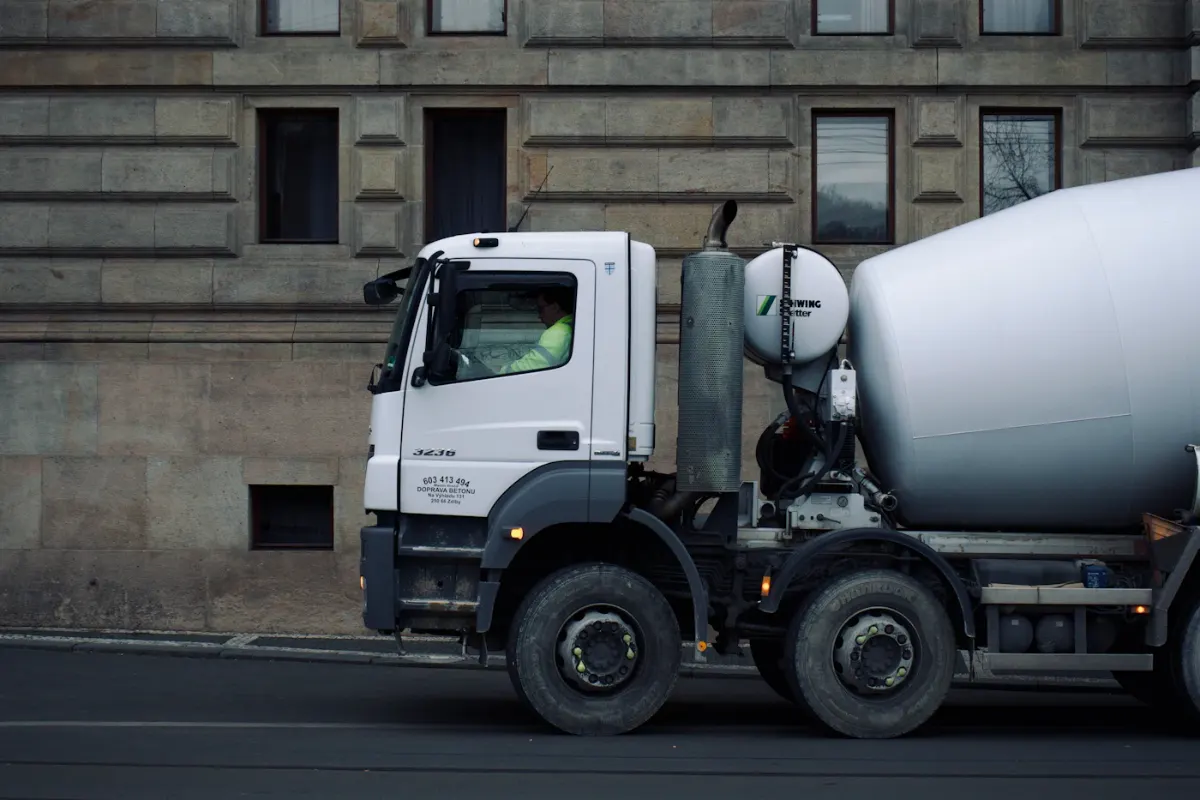
White concrete mixer truck parked on a street in front of a stone building
A rear-discharge mixer parked between pours.

Liens

Checking for money owing

  • Where: BC's Personal Property Registry.
  • Search by: VIN, serial number or owner's name.
  • Lien found? Paid out from the sale, then discharged.
Concrete batch plant with silos and conveyors under a white sky
A batch plant. Ready-mix fleets rotate trucks out on a schedule.

Mixer parked for good? Get a number in minutes.

Line pumps and self-loaders

A trailer line pump or a self-loading mixer isn't a road truck. In Metro Vancouver, its diesel engine of 25 hp or more falls under the Non-Road Diesel Engine Emission Regulation Bylaw, which requires older engines to be registered, and unregistered Tier 3 engines are barred from February 1, 2027. Abbotsford, Chilliwack and Mission are outside the bylaw. Road trucks are not covered by it.

Sources: BC Personal Property Registry, Metro Vancouver engine registration. General information, not legal advice.

BC details

Selling a mixer in BC, in more detail

Concrete trucks are commercial vehicles, so the paperwork is a little more involved.

Registration and transfer

Every registered owner on the truck signs, and an ICBC Transfer/Tax form is completed at the sale. If two owners are listed, both need to sign. Bring the registration and photo ID. If the truck is in the name of someone who has died, the estate's executor signs instead, so tell us early.

Plates

You keep the plates. Take them off before the truck leaves and either use them on another vehicle or hand them in at an Autoplan broker. Fleet plates and apportioned plates are handled through whoever manages your fleet registration, so let them know the unit has been sold.

Insurance

Once the transfer is signed, cancel or move the insurance at an Autoplan broker or through your fleet insurer. Don't cancel it before the truck is gone if it still needs to be driven or parked on a street. Cancelling may bring a refund for the unused time, depending on the policy.

Liens

Financed trucks may have a lender's interest registered at the BC Personal Property Registry against the serial number. It has to be paid out or released before the sale. A search of the registry shows what's registered, and a lawyer, notary or search company can run it.

Company trucks

When a company owns the truck, someone with signing authority for the company signs the transfer and the bill of sale. Bring proof that you can sign, such as company records or a letter from a director. If the company has been dissolved, tell us early, because the paperwork takes longer.

Leased trucks

Leased trucks may belong to the leasing company until the buyout is paid. Check your lease before booking a pickup. Usually the buyout is paid first, then the truck can be sold. The leasing company can tell you the payout amount and what it needs from you.

Commercial vehicle inspection

Heavier trucks in BC fall under the Commercial Vehicle Inspection Program and need a current inspection decal to be on the road. An expired decal doesn't stop a sale. It just means the truck may need to be towed rather than driven, and the next owner deals with a new inspection.

Taxes on the sale

In BC, the buyer of a used vehicle usually pays provincial sales tax when the transfer is registered. Business sellers may have their own GST obligations depending on how the truck was used and claimed. If you're unsure, ask your accountant before the sale. We don't give tax advice.

Records to hand over

Service records, drum and drive repair invoices and any inspection reports are worth handing over. Buyers who put a truck back to work value them, and they can help the figure. If records were lost with an old company or a retired manager, that's fine; tell us what exists.
Questions

Common questions

Does BC have a title for trucks?

No. In BC the registration, signed by every registered owner, plus the Transfer/Tax Form is what transfers ownership.

How do I check for a lien?

Search BC's Personal Property Registry by VIN, serial number or owner's name, or ask a lawyer, notary or search company to do it.

Does Metro Vancouver's diesel bylaw apply to my mixer truck?

Not to a road truck. It applies to non-road diesel engines, such as a trailer line pump or a self-loading mixer, of 25 hp or more.

Who signs if the truck is owned by a company?

Someone with signing authority for the company signs the registration and the Transfer/Tax Form. Bring proof that you can sign, such as a director's letter.

Do I keep my plates?

Yes. Take the plates off before pickup. They belong to ICBC, so you can keep them for another vehicle or hand them in at an Autoplan broker.

Can I sell a mixer that's still financed?

Yes, once the lender is paid out or agrees in writing. A search at BC's Personal Property Registry shows whether a lien is registered against the truck.

Paperwork sorted?

Send the truck details and we'll walk you through the rest.