Home / Sell my concrete truck

Selling, start to finish

Sell Your Concrete Truck Without Listing It

No ads, no strangers asking to spin the drum, no booking your own wrecker. Here's how a sale with us goes.

White concrete mixer truck parked on a street in front of a stone building
Running or notSet drums welcome

Pour slip · Free offer, no obligation

Get your concrete truck offer

About a minute. We call back with a number.

Type of truck
Does it run?

Who do we call?

Add drum load, year or email (optional)

Or call 236-239-0420

Your details are only used to quote this truck.

  • One call, one number
  • We book the heavy tow
  • Paid on pickup day

Step by step

From first call to an empty spot

  1. 1

    Send the details

    Chassis, drum or pump make, runs or not, location.

  2. 2

    Send photos

    Four sides, the drum or boom, the cab, the odometer.

  3. 3

    Get your number

    One offer as it sits, tow included.

  4. 4

    We book the tow

    Heavy wrecker or lowbed, sized to the truck.

  5. 5

    Pickup day

    Sign, get paid, we hook it up.

On the day

Have these ready

  • Keys and gate access
  • ICBC registration signed by every owner
  • Photo ID for whoever signs
  • Company authority if a business owns it
  • Lender release if money is owing
  • Drum status empty, washed or set up
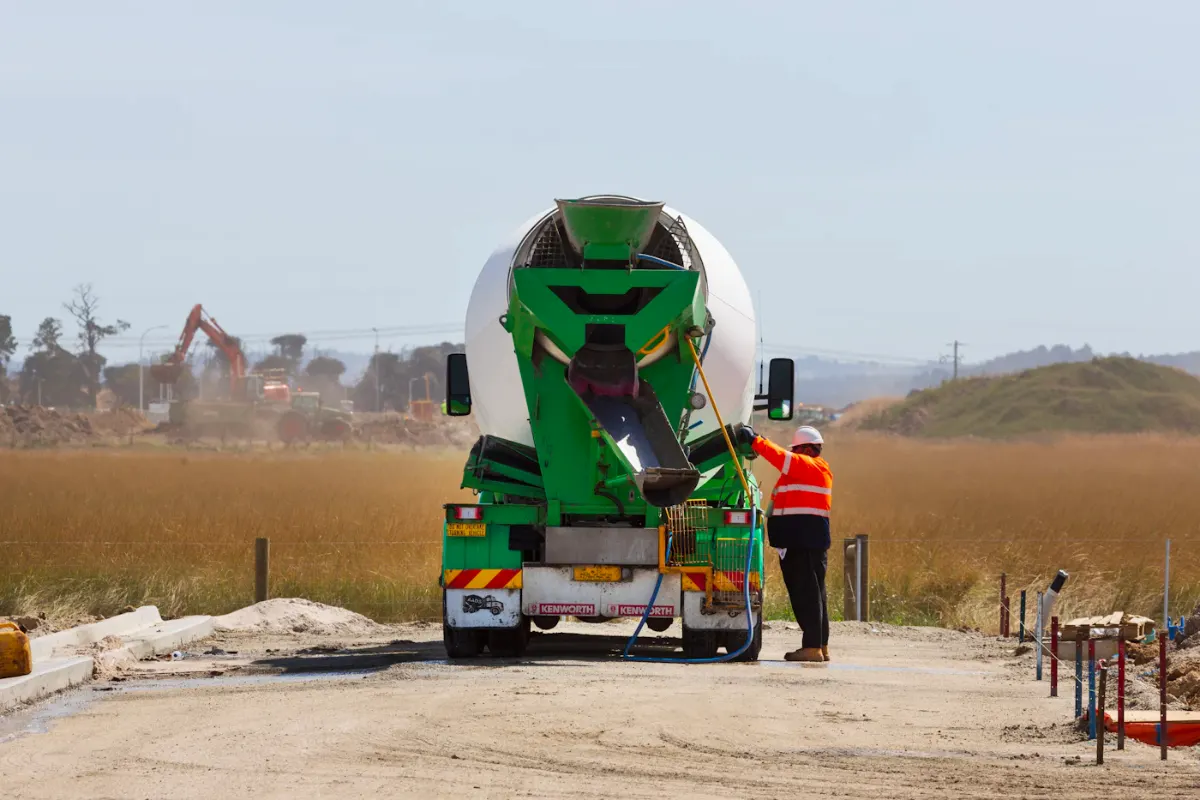
Green and white mixer truck seen from behind at a job site with a worker by the chute
A mixer at the pour. Chutes, fins and drums all wear.

Mixer parked for good? Get a number in minutes.

Would a dealer pay more?

For a clean, late-model mixer, maybe. We're the easy option for trucks that sit, need work, have a set drum or need to go this month.

Why owners sell

Common reasons a mixer comes up for sale

  • The drum drive failed or the drum set up
  • The truck needs an engine or a transmission
  • A ready-mix fleet is being renewed
  • A small contractor stopped pouring their own concrete
Old rusty yellow concrete mixer truck parked on weedy ground
An old mixer parked for good. Trucks like this are what we buy.

Selling tips

Getting an accurate quote on a mixer

Most of what we need can be seen in a few photos.

Photos to send

Both sides of the truck, the drum, the chute, the rear controls, the engine bay and the odometer. If the drum is clean, a photo looking inside helps. Daylight photos from a few steps back show more than close-ups. Five or six good photos are usually enough for a first figure.

Truck details

Year, make, engine and transmission, plus the kilometres and engine hours if you have them. Tell us if the engine or transmission was replaced or rebuilt, and roughly when. A newer drivetrain under an older drum changes the picture, and so does a known problem like a slipping transmission or a smoking engine.

Drum details

Drum size in cubic yards or cubic metres, the drum make if you know it, and whether it turns in both directions under power. The drum's serial plate is usually near the front pedestal. Tell us whether the drum has been re-skinned or had fins replaced, and whether it is empty.

Hydraulics

Tell us if the drum drive pump, motor or gearbox leaks or makes noise. The drum drive is one of the costliest parts of a mixer to fix, so it matters to the figure. A drum that turns slowly or only one way usually points to the pump or motor. A photo of any leak helps.

Water system

Water tanks, pumps, hoses and the wash-down gun are part of every mixer. Tell us whether they hold pressure and whether the tank is cracked or leaking. A working water system is a small plus. A broken one is a small repair and doesn't stop the sale.

Where it sits

Mixers parked in batch plant yards often sit behind other trucks or near the loading area. Tell us what has to be moved first, when the yard is open and who to call on site. If the truck sits on soft ground or near overhead wires, mention it, because it changes the tow truck we send.

Chutes and attachments

Chute extensions, chute locks, conveyor attachments and spare fins can all go with the truck. Tell us what's there and what you want to keep. If spare parts sit in a shed rather than on the truck, a photo is enough. Anything we include leaves on the same trip.

What we need on pickup day

The registration, photo ID for every registered owner, the keys and any service records. If the truck is company owned, bring proof that you can sign for the company. Take off the plates and remove radios, GPS units and personal items. You're paid before the truck leaves.

If you're not sure yet

Getting a figure doesn't commit you to anything. Many owners ask for a number before deciding between repairing a mixer, selling it to another operator and selling it to us. If our figure doesn't make sense for you, that's fine. We'd rather you sell it the way that pays you best.

Questions

Common questions

Does the drum need to be washed out?

It helps, but it's not required. Tell us what's in it and we'll price it as it sits.

Can you take a truck from a ready-mix yard?

Yes. Give us the yard contact and any gate hours, and we'll book around them.

Do you buy a fleet of mixers?

Yes. Send a list with years, makes and photos and we'll quote them together.

What photos should I send?

The whole truck from both sides, the drum and chute, the cab, the odometer and hour meter, and any data plates on the drum and the chassis. A photo inside the drum opening helps if there's buildup.

Do you buy mixers that are still working?

Yes. Ready-mix companies sell working trucks when they update the fleet. A working mixer is worth more, and if a dealer or another operator would pay more, we'll tell you.

How quickly can a sale happen?

Often within a few days of the first call. Heavy tows and paperwork take the most time. If the truck drives and the registration is ready, it can move faster.

Ready to sell the mixer?

Send the details now. You'll have a number to think about.